







Natural Fibres
Our material selection focusses on choosing the right fabrics to create the best product we can; product that lasts, is fit for purpose and has the least environmental impact possible.


Why we love Natural Fibres...
Natural fibres are the perfect material to use for next-to-skin products. They are incredibly versatile, providing softness and strength as well as being good insulators, breathable and sweat wicking. They're also completely renewable, so the fibre can be replenished again and again.
In 2017, we made a commitment to reduce our reliance on conventional cotton and increase our use of alternative natural fibres, which require reduced water and pesticides to grow. In 2017 only 42% of our cotton range was organic, so we set ourselves the goal that by 2020 our entire cotton collection would be organic. But we're always striving for better, and we have now increased the use of natural fibres across our product range; widening our use of wool, linen, hemp and also kapok.
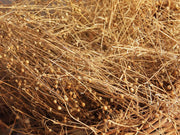
Linen
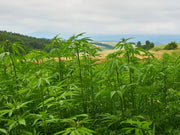
Hemp
Linen: The original fibre
Linen is the natural fibre derived from the flax plant. It is thought to be one of the oldest textile fibres in the world, most notably used by the ancient Egyptians. Linen fabrics are durable, long-lasting and soften over time, ageing with you. It’s an incredibly comfortable fibre to wear next to your skin, with a cool, smooth touch and, like wool, linen regulates temperature, so it’s cool and breathable in summer and insulating in winter.
It has a host of sustainable benefits too; the cultivation of flax requires no fertilisers, herbicides or pesticides and no irrigation (only rainwater) to grow. Plus, flax encourages biodiversity where it’s grown and is waste-free, as all parts of the plant can be used for textiles, food, paper and bio-oils.
Hemp: A fibre for the future
Like linen, hemp has been cultivated for thousands of years - one of the oldest relics of human activity is a piece of hemp fabric dating back to approximately 8,000 BC. It’s highly absorbent and can be blended with other natural fibres like cotton to create a soft but far more durable fabric.
In fact, hemp is six times stronger than cotton and far less intensive to cultivate. It is one of the highest yielding crops on the planet, but actually requires very little water and no chemical fertilisers or pesticides to grow. It even blocks weeds from growing, making it a great option for farmers to improve soil quality, and different parts of the plant can be used to make tens of thousands of products – not just textiles.

